
The Complete Guide to Modeling Headshots
Learn how to create realistic, agency-ready modeling headshots with expert tips on posing, lighting, outfits, and AI. A complete guide.

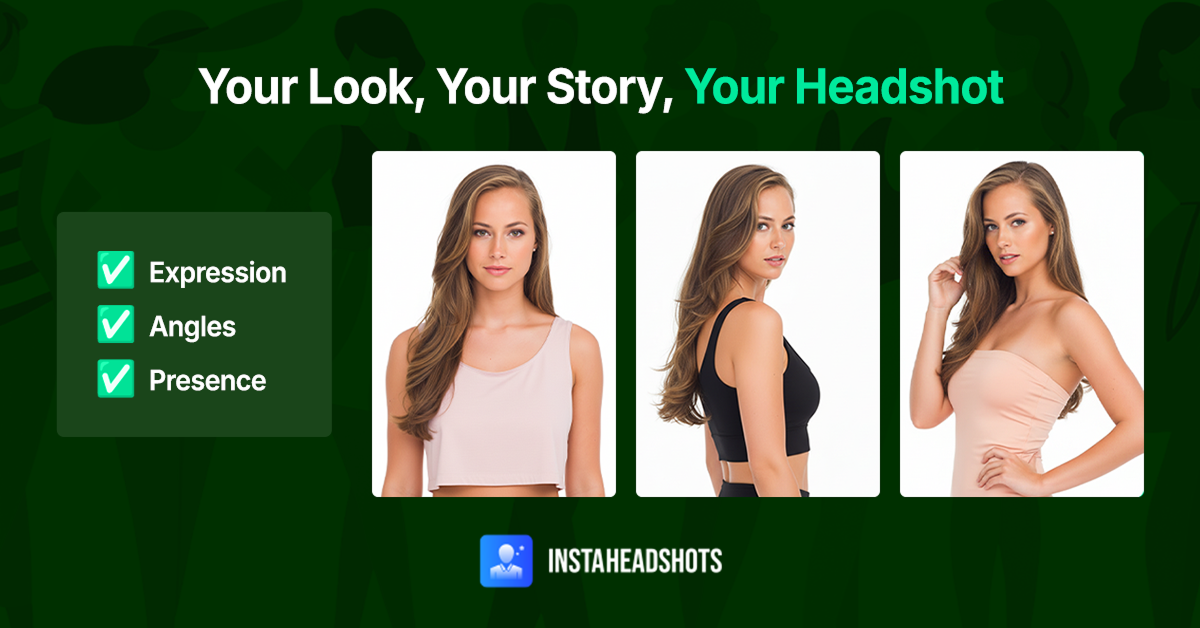
Show your best angles with expert-backed modeling headshot tips designed for every niche, from commercial to editorial.
Your headshot is often the first thing an agency sees. It’s supposed to open doors in your modeling career, but the process can feel confusing, expensive, and more overwhelming than most people expect.
Many models assume a “good” headshot requires a studio setup with perfect lighting, full glam, and a professional photographer. Others worry that AI headshots look plastic or overly edited. In reality, agencies prioritize authenticity, clarity, and expression, not dramatic production—and it’s entirely possible to get a realistic look with AI headshots.
Whether you’re shooting commercial, editorial, beauty, or fitness images, the goal is to highlight your best angles in a way that feels real and agency-ready. Here, we break down how to achieve that look without the stress or the studio price tag.
TL;DR:
Quality modeling headshots don’t require a studio setup or complex styling. Agencies want clear, well-lit images that show your natural features, expressions, and range across different modeling niches. With solid prep, simple styling, and realistic AI tools like InstaHeadshots, you can create professional headshots from anywhere.
Key takeaways
- Modeling headshots should show your natural facial structure, expression range, and how you fit into specific modeling niches.
- Agencies look for clear structure and believable presence, supported by simple lighting that shows what you actually look like on camera.
- Good preparation (skin, hair, grooming, rest) and clean styling have more impact than heavy makeup or elaborate setups.
- Each modeling niche (commercial, editorial, beauty, fitness, runway) calls for slightly different expressions, lighting, and wardrobe choices.
- With proper input photos, realistic AI can create studio-quality results without hiring a headshot photographer.
What modeling headshots are (and why they matter)
Modeling headshots are the first impression you make on agencies, casting directors, and brands. Because people form judgments quickly, a clear, well-lit photo can help open doors.
What sets a modeling headshot apart is its focus on structure and range. Jawline, cheekbones, eyes, and natural expression all need to be visible, and one image should hint at your versatility, from warm and approachable to more editorial.
Your niche shapes the overall look. Commercial headshots lean into soft smiles and warm lighting, editorial shots rely on neutral expressions and sculpted shadows, and beauty images often feature close-ups that highlight clean skin texture.
And dramatic styling isn’t what makes a shot stand out. Agencies consistently prefer clean, authentic images that show the real you.
What makes a modeling headshot different from other headshots?
Modeling headshots aren’t the same as actor photos, corporate headshots, or general portraits. Actor headshots sell character and personality, while corporate images lean into professionalism. Modeling headshots, on the other hand, show how easily you can adapt to different looks.
Agencies look at bone structure, symmetry, and how naturally your expression can shift. Microexpressions, subtle posture changes, and clean styling show range without relying on big, dramatic poses. Skin texture and small expression adjustments matter just as much as a smile.
Think of it this way: a corporate-style photo may communicate confidence, but a modeling headshot needs to show how you appear in different contexts—beauty, lifestyle, editorial. Each version reveals a different angle of your potential.
Real versatility doesn’t come from exaggerated posing. It comes from posture variations, nuanced expressions, and simple, polished styling.
How to prepare for modeling headshots
Getting your headshot-ready look starts before the camera clicks. Smart preparation—skincare, hair, grooming, and rest—often makes a bigger impact than elaborate lighting or makeup.
Skin prep: Stay hydrated and avoid new products for at least 48 hours before your shoot. Aim for a moisturized (not shiny) finish that resembles clean, editorial skin.
Hair prep: Keep your hair natural and healthy. Make sure it’s freshly washed and skip heavy styling products. Think soft movement that fits lifestyle or commercial modeling.
Grooming: Tidy up eyebrows, trim facial hair if relevant, and moisturize your lips. The goal is polished but subtle; ready for close-ups without looking overdone.
Sleep and hydration: Prioritize rest and water so your skin looks smooth, bright, and naturally refreshed.
Makeup: Stick to minimal, natural enhancement. Light mascara, groomed eyebrows, and sheer foundation usually work well. Save fuller makeup for beauty-specific close-ups where the style calls for it.
Posing prep and expression practice
Nailing your headshots starts with practicing modeling poses and facial expressions ahead of time. A little preparation helps everything read naturally on camera.
- Study your angles without overthinking it. A slight chin lift can define your jaw, while a relaxed mouth keeps expressions neutral instead of tense.
- Engage your eyes. Look toward the camera as if you’re gazing past someone rather than staring directly at a lens.
- Experiment with microexpressions. Soft smiles, subtle eyebrow shifts, and relaxed eye contact add range without the drama.
- Use mirrors and quick video clips. Practice in front of a mirror or take short selfie videos, then review what feels authentic and repeatable.
- Observe working models. Pay attention to posture, small movements, and hand placement—not to copy, but to understand what works.
Digital tools like InstaHeadshots let you generate multiple variations quickly, helping you experiment with different looks and angles without spending hours in front of the lens. The more you practice, the more natural you’ll appear.
How to pose for modeling headshots
Start with your angles. A square-on face shows symmetry, while a three-quarter angle adds dimension. Slight head tilts can soften your features or convey confidence, depending on the mood you want.
Keep your eyes engaged and your face relaxed; natural ease always reads better than tension. Even a subtle lean forward can emphasize your cheekbones and create a stronger sense of presence.
A few niche-specific posing cues:
- Commercial: Warm, approachable expressions that feel friendly and natural
- Editorial: Neutral, sculpted looks with shadows that define bone structure
- Fitness: Strong posture, forward-facing energy, and controlled tension that suggests strength
Don’t fall for the myth that only front-facing shots work. Casting directors often want multiple angles: right, left, and front. Practicing these variations helps your poses feel authentic instead of stiff or forced.
What to wear for modeling headshots
Clothing choices can make or break professional headshots. Avoid logos, busy patterns, or flashy accessories as they pull attention away from your face. Choose colors that complement your natural skin tone, hair, and eyes rather than defaulting to black or white.
Niche-specific wardrobe guidelines:
- Commercial: Solid neutrals and soft textures. (Example: olive skin tone + navy tank = strong contrast.)
- Beauty: Off-shoulder tops, tanks, or bare necklines that highlight your facial features. Pastel shades can make eyes stand out.
- Editorial: Minimal jewelry and structured clothing. Crisp collars and muted tones help shadows shape the face.
- Fitness: Fitted tops in simple colors that show muscle definition. Dark grey or black works well against a neutral background.
Headshot wardrobe do’s and don’ts:
- Do pick colors that enhance your tones.
- Don’t wear distracting patterns or logos.
- Do keep accessories subtle.
A smart wardrobe keeps the focus on your face and shows your adaptability for any model shoot.
Choosing the right background and lighting
The right background and lighting can bring out your unique features and elevate a standard headshot into something memorable.
Background options:
- Soft beige: Warm and flattering for commercial or lifestyle looks, keeping attention on your face.
- Light grey: A versatile, neutral choice that works across most niches and lets expressions and wardrobe stand out.
- White seamless: Clean and classic, ideal for a timeless look; great for making clothing colors or eye color pop.
- Textured walls: Subtle brick or plaster textures add editorial interest without competing for attention.
For lighting, diffused natural light from windows is ideal because it softens shadows and wraps gently around your features. Avoid harsh overhead lighting that flattens the face—brightness alone isn’t the goal. Direction matters more, and side lighting can add depth and emotion to faces by sculpting natural angles.
InstaHeadshots replicates professional studio lighting setups digitally, allowing you to test different angles and tones while avoiding the unnatural shadows common in other tools.
Using AI for modeling headshots
Skip the studio—AI can help you create clean, agency-ready headshots from anywhere. Skepticism is understandable if you’ve seen AI images with plastic-looking skin, odd hair textures, or unnatural lighting.
Those issues are real with many tools, but InstaHeadshots avoids them by retaining freckles, natural skin texture, subtle lines, realistic lighting, and accurate hair patterns.
AI also makes it easy for aspiring models to experiment across different types of modeling, so you can test expressions, wardrobe, and poses quickly. Consistent, high-quality results help you plan your modeling portfolio and see what works before you’re in front of a camera.
Agencies care about clarity and realism, not how the image was made. As long as your headshot looks genuine, AI is a perfectly valid option.
How to update and maintain your modeling headshots
Headshots aren’t set-and-forget. Refresh them whenever you change your hairstyle, add tattoos, notice shifts in skin appearance, or move into a new modeling niche.
For active models, updating every 6–12 months keeps your portfolio current and shows agencies you’re consistent. That matters across every platform—comp cards, Instagram, agency portals—because each one should reflect your latest look.
AI makes ongoing updates simple. You can generate new headshots without a studio booking and test new poses or outfits in minutes. These small refreshes help keep your portfolio competitive and relevant.
Try InstaHeadshots to improve your modeling headshots without the headache
Great modeling headshots come from clean styling, natural expressions, and lighting that brings out your best features. But you don’t need a full studio or a headshot photographer to achieve that level of quality. Modern AI makes it possible to get clear, authentic results from anywhere.
InstaHeadshots helps you get there quickly. You can try different angles, adjust expressions, test wardrobe changes, and explore niche-specific looks without scheduling a shoot. Whether you’re updating your portfolio or prepping for upcoming casting calls, the right headshot communicates your potential before you walk into the room.
Kickstart your modeling headshot journey today. Get studio-quality results with InstaHeadshots.
FAQs
What type of photos do modeling agencies look for?
Straightforward, natural, well-lit photos that clearly show your face, bone structure, and expression range.
How much makeup should I wear for a modeling headshot?
Keep makeup minimal and natural unless you’re shooting a beauty-specific close-up, where slightly enhanced makeup is appropriate.
Do modeling headshots need to be professionally taken?
Not necessarily. With good lighting and realistic AI tools, you can achieve studio-quality results without hiring a photographer.
How many modeling headshots should I have?
Aim for two to four: a clean front-on shot, a three-quarter angle, and a couple of niche-specific images (such as beauty or fitness).
Should modeling headshots be retouched?
Light retouching is fine, but avoid smoothing skin texture. Modeling agencies want to see the real you.